Rolling Steel Doors vs. Traditional Overhead Doors: Which Is Right for Your Business?
For any commercial or industrial property in Ottawa, Canada, the exterior doors are far more than simple entry points they are critical infrastructure. They are integral to security, workflow efficiency, energy conservation, and operational safety. Choosing the correct system is a significant investment that directly impacts your bottom line for decades.
The two dominant categories in the commercial market are Rolling Steel Doors (also known as roll-up or coiling doors) and Traditional Overhead Doors (typically commercial sectional doors). While both offer heavy-duty performance, their fundamental designs cater to vastly different operational requirements. A misinformed choice can lead to recurring maintenance costs, compromised security, or inefficient space utilization.
At SGG Door, we offer expert guidance along with professional Garage Door Installation services for both systems. Moreover, this comparative analysis aims to give Ottawa business owners the essential knowledge they need. As a result, they can make a strategic and long-term decision with confidence.
Fundamental Differences in Design and Operation
Understanding how each door operates is the first step in determining suitability for your facility’s unique layout and usage demands.
Rolling Steel Doors (Coiling Doors)
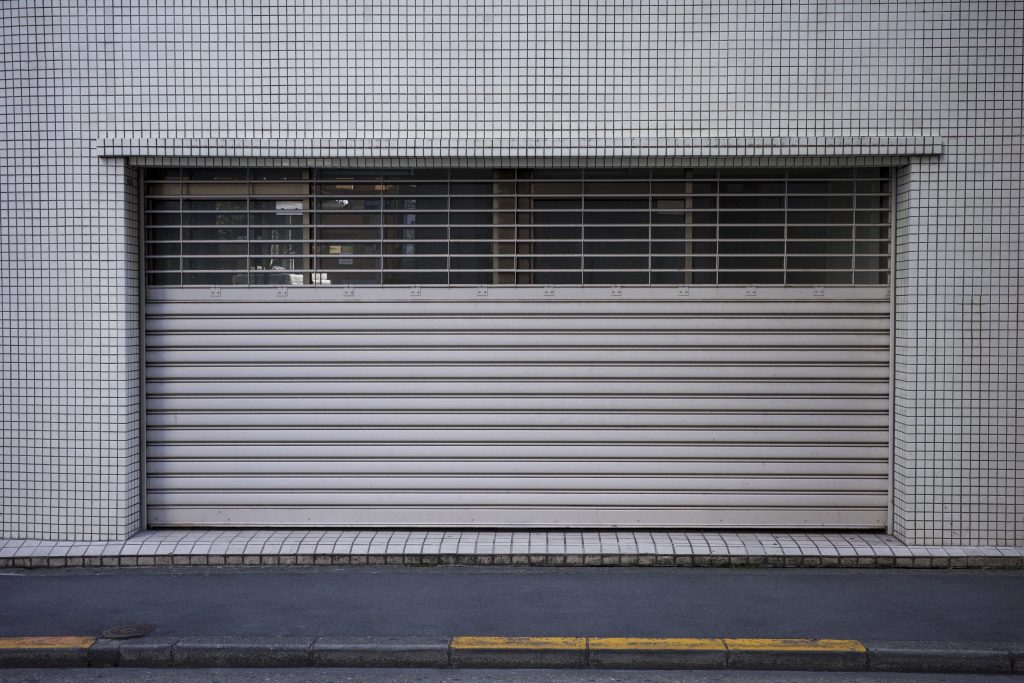
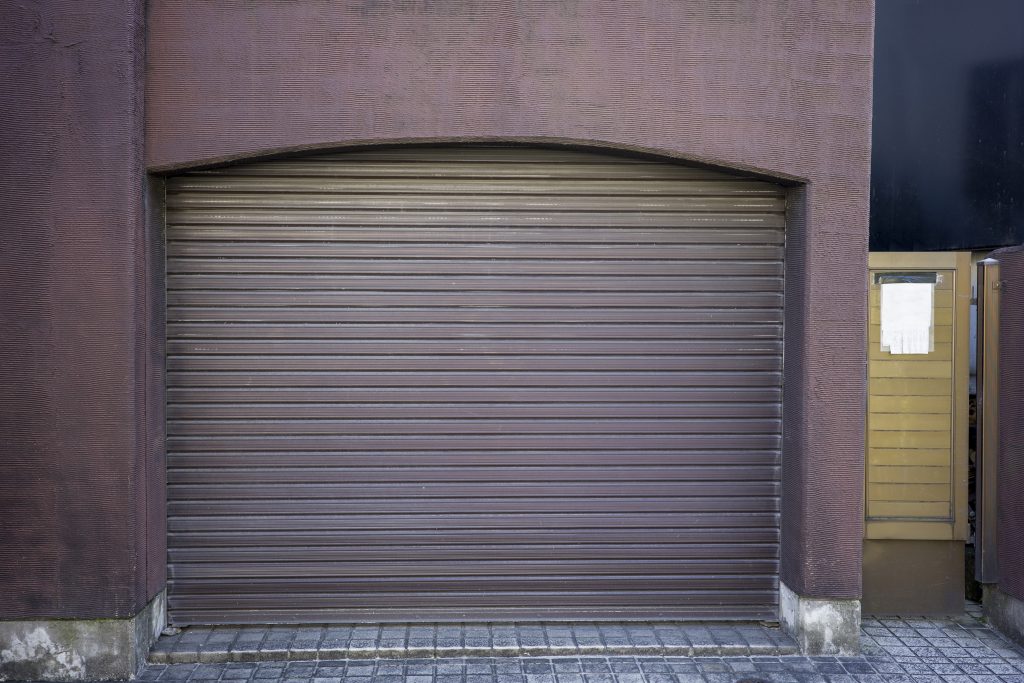
Rolling steel doors are the workhorses of the industrial sector. Their curtain consists of numerous individual, heavy-gauge metal slats that are interlocked. When activated, the entire curtain travels vertically into a tight, compact coil that nests securely inside a barrel assembly housed directly above the opening.
- Key Advantage: Minimizes overhead space requirements, freeing up ceiling space for lights, HVAC ducts, or fire suppression systems.
- Ideal for: High-security applications, loading docks, fire halls, and facilities with limited interior headroom.
Traditional Overhead Doors (Sectional Doors)
Commercial sectional doors operate identically to their residential counterparts, but they are built with heavier-duty materials and hardware. The door is divided into horizontal panels (sections) connected by hinges. When opened, the panels break apart, travel up vertical tracks, and then run horizontally parallel to the ceiling.
- Key Requirement: Demands significant overhead clearance and depth equal to the door’s height for the tracks.
- Ideal for: Auto dealerships, warehouses requiring natural light, and climate-controlled facilities where aesthetics matter.
Critical Factor: Space Optimization and Clearance
In high-traffic commercial environments, every inch of space matters for safety and efficiency. This is often the primary differentiator between the two systems.
The Low-Headroom Solution
Rolling steel doors are engineered for minimal footprint. Because the curtain coils tightly into a protective hood, they do not require extensive overhead track systems. This design is invaluable for warehouses with high shelving, parking garages, or buildings with structural limitations that prohibit lengthy horizontal tracks.
The Ceiling Obstruction Challenge
Sectional doors, conversely, require the necessary clearance to travel fully into the building’s interior. This can interfere with existing ceiling fixtures, cranes, or machinery, necessitating extensive and expensive pre-installation modification. Choosing the right door system from the start is paramount to avoiding future structural headaches. For guidance on optimizing your facility’s opening and selecting the correct lift configuration, consult with our specialists on Installation
Critical Factor: Security, Durability, and Longevity
Commercial doors must withstand heavy cycle rates (often dozens of times per day) and serve as a robust barrier against forced entry, a crucial concern in a large metropolitan area like Ottawa.
Unmatched Durability: The Rolling Steel Advantage
Rolling steel doors are generally considered the superior choice for sheer toughness and longevity.
- Construction: The interlocking slat design creates an extremely rigid, continuous curtain that is highly resistant to impact, wind loads, and forced separation. This simpler mechanism, with fewer exposed moving parts than a sectional door, leads to a longer expected lifespan, often exceeding 25 to 30 years.
- Repair Simplicity: In the event of localized damage, only the affected interlocking slats need to be replaced, minimizing repair cost and downtime. For any immediate damage or necessary adjustments, contact us for prompt commercial Garage Door Repair .
Robust Sectional Durability
While sectional doors are built commercially robust, they rely on a greater number of complex components (hinges, rollers, tracks) that are more susceptible to wear under high-cycle conditions. While sturdy, their multi-panel design can offer marginally less resistance to determined forced entry compared to solid steel slats.
Critical Factor: Climate Control and Energy Efficiency
Given the extreme winter temperatures in Ottawa, thermal efficiency is a crucial factor in managing operational costs and maintaining product integrity.
Insulation and Thermal Performance
- Sectional Doors: These often excel in thermal performance. The thicker, foam-filled panels and tight sealing between the sections generally result in superior R-values, making them ideal for facilities requiring strict climate control (e.g., food processing, specialized storage, temperature-sensitive manufacturing).
- Rolling Steel Doors: Insulated rolling steel doors are highly effective and feature polyurethane or mineral wool insulation within their slats. While typically achieving slightly lower R-values than the thickest sectional panels, their tight coiling design often results in minimal air leakage at the top, making them a very reliable choice for energy efficiency in high-usage environments.
Automation and Productivity
Both doors can be motorized, but the choice of operator is critical, particularly for heavy doors. High-traffic industrial settings benefit from robust commercial Garage Door Openers designed for massive cycle counts, which SGG Door can expertly install and maintain for both sectional and rolling door applications.
Which Door Is Right for Your Ottawa Business?
The best door is the one that aligns precisely with your specific operational priorities.
| Priority | Rolling Steel Door | Commercial Sectional Door |
| Security/Durability | Primary Choice. Designed for extreme heavy use and high security (e.g., military, currency facilities). | Secondary Choice. Strong, but design involves more components susceptible to wear. |
| Space Utilization | Primary Choice. Maximizes headroom and floor space; coils compactly. | Secondary Choice. Requires significant depth and overhead space for tracks. |
| Insulation/Visibility | Secondary Choice. Good insulation, but limited window/natural light options. | Primary Choice. Excellent insulation and available with full-view glass panels for natural light and curb appeal (e.g., dealerships). |
| Upfront Cost | Higher initial investment. | Lower initial investment. |
| Total Cost of Ownership (TCO) | Lower TCO due to longer lifespan and easier slat-by-slat Repair . | Higher TCO due to more frequent maintenance cycles. |
| Best Application | Loading Docks, Fire Halls, Storage Facilities, High-Security Areas. | Manufacturing Plants, Auto Repair Shops, Retail Stores, Climate-Controlled Warehouses. |
If your system sustains severe damage or fails, leading to a critical security or logistical compromise, SGG Door offers 24/7 Emergency Garage Door Service to minimize your business downtime.
Lubricate with the Right Product for the Cold
Cold temperatures cause standard grease or oil to thicken and become sticky, which actively resists the movement of rollers and hinges. This forces the opener motor to work harder and increases the risk of component failure.
- Action Plan: Never use WD-40 (it is a degreaser, not a lubricant). Use a specialized, high-quality silicone-based or lithium-based spray lubricant. Apply sparingly to the hinges’ pivot points, the bearings inside the rollers, and the torsion springs (to prevent rust).
- Crucial Note: Do not lubricate the tracks. Tracks should only be cleaned to remove debris and grime, as lubricant attracts dirt, which can foul the rollers.
Test the Door Balance and Tension for Optimal Performance
In winter, an unbalanced door strains all other components. If the door is too heavy, the opener struggles. If the springs are too tight, the door may suddenly shoot up or cause uneven strain.
- Action Plan: Disengage the opener by pulling the emergency cord. Manually lift the door to the halfway point (around four feet up). The door should stay perfectly still. If it drifts up or falls, the counterbalance system (springs) needs professional adjustment.
- The Safety Concern: Adjusting high-tension springs is exceptionally dangerous. If your door fails the balance test, call SGG Door for specialized Garage Door Repair immediately.
Prepare for Power Outages with a Battery Backup
Ottawa winters bring unpredictable storms, which can lead to prolonged power outages. A standard electric opener is useless without power, potentially trapping your car during a critical time.
- Action Plan: Ensure your opener unit has a functional battery backup system. Test the backup battery before the season hits. If your opener lacks this feature, consider upgrading to a modern unit.
- The Modern Solution: New Garage Door Openers come with integrated battery backups and smart Wi-Fi technology, allowing you to monitor and operate the door remotely a critical feature for security and convenience during cold-weather travel.
Clean Tracks and Sensors to Prevent Freezing
Debris like leaves, grit, and even accumulated dust can absorb moisture. When temperatures drop below zero, this debris freezes solid in the tracks, causing the rollers to bind or forcing the door off its tracks entirely.
- Action Plan: Use a vacuum and a clean rag to thoroughly wipe down the inside of both vertical tracks. Clean the photo-eye sensors located near the floor with a soft cloth to ensure they are aligned and free of condensation or frost that could block the beam and cause the door to reverse unexpectedly.

Frequently Asked Questions (FAQ) for Commercial Clients
Q: Are Rolling Steel Doors always more expensive than Sectional Doors?
A: Generally, yes, the upfront cost of a heavy-duty rolling steel door is higher due to the robust materials and complex manufacturing process of the interlocking slats. However, when factoring in the door’s 30-year expected lifespan and lower repair costs, the Total Cost of Ownership (TCO) for a rolling door may be significantly lower than that of a sectional door over the full term of the investment.
Q: Can Rolling Steel Doors be customized for a retail storefront?
A: Yes. While traditionally utilitarian, rolling doors can be customized with various colors, finishes, and, critically, they can be specified as Grilles or Perforated Curtains. These options allow for excellent after-hours security while providing visibility into the storefront, making them perfect for malls and high-street retail locations.
Q: What level of maintenance do commercial doors require?
A: All commercial doors require preventative maintenance due to high cycle counts. Rolling steel doors typically require less frequent, though often more specialized, service because critical components like the counterbalance springs are safely housed within the barrel. Sectional doors require regular inspection and lubrication of the exposed hinges, rollers, and tracks to prevent premature wear. SGG Door provides customized maintenance plans tailored to your door type and usage frequency.
Conclusion: Partner with SGG Door for Commercial Excellence
The choice between a rolling steel door and a traditional overhead door is a long-term strategic decision that impacts the security, efficiency, and safety of your operations. Before committing, an on-site evaluation of your facility’s headroom, daily cycle requirements, and climate control needs is essential.
SGG Door, located right here in Ottawa, specializes in providing tailored commercial solutions. We don’t just sell doors; we deliver specialized installation and maintenance expertise to ensure your commercial investment serves your business reliably for decades.
Contact us today to schedule a professional, no-obligation commercial consultation.
Contact SGG Door: Your Commercial Door Experts in Ottawa
- Address: 305 Olmstead St, Ottawa, ON K1L 7K2
- Local Phone: 613-817-9444
- Toll-Free: (888)97343151
- Email: info@sggdoor.ca
- Web: https://sggdoor.ca/